
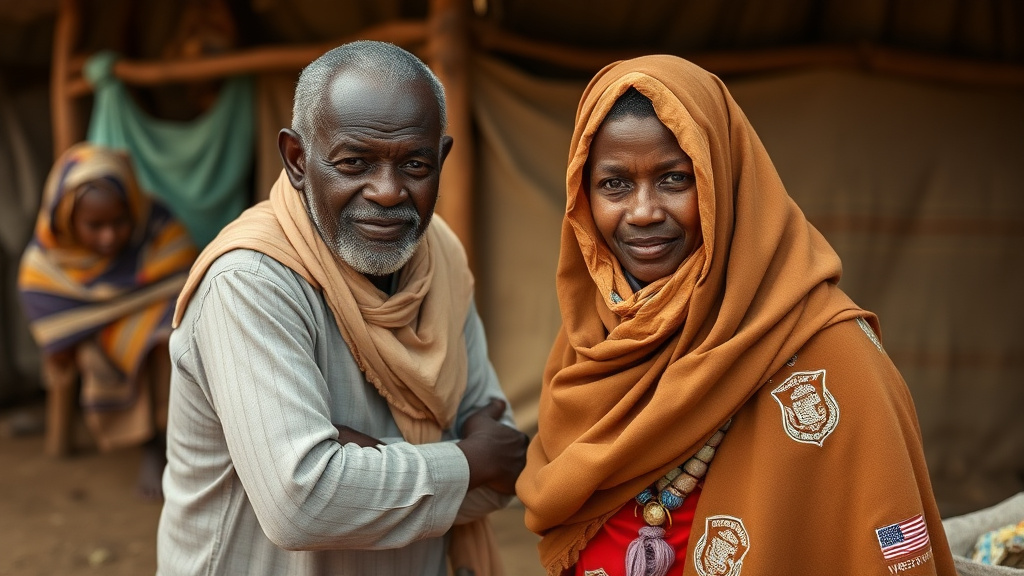
Extreme hardship remains one of the world’s most pressing crises, impacting billions in low-income countries where essential resources like food, clean water, and education remain out of reach. In response, aid groups are intensifying their work, implementing creative solutions and directing substantial funding to end poverty. This article examines how these dedicated groups are working together internationally, using digital tools and community partnerships to drive sustainable improvement and enhance living conditions in the world’s most vulnerable regions.
Global Response to Economic Hardship Crisis
The mounting poverty crisis in developing nations has prompted an unprecedented mobilization of humanitarian resources on a global scale. International organizations, NGOs, and public sector organizations are coordinating efforts to address the root causes of poverty, recognizing that lasting change require collaborative action. These entities are combining funds, expertise, and personnel to deploy extensive strategies targeting schooling, medical services, and economic growth. The integrated effort demonstrates a dedication to improving lives and building resilient communities capable of self-sufficiency.
Modern aid programs employ innovative solutions and information-guided methods to maximize impact and operational effectiveness in poverty alleviation efforts. Organizations are implementing technology-based tools for resource distribution, digital financial services for financial inclusion, and remote sensing technology for focused assistance in underserved locations. By merging traditional community-based approaches with digital advancement, these groups are assisting previously underserved populations more effectively. This combined approach guarantees that aid gets to those facing greatest hardship while encouraging sustained financial independence and lasting growth in vulnerable regions.
Key Initiatives and Programs
Non-profit organizations are implementing comprehensive programs designed to tackle poverty’s root causes in lower-income countries. These programs concentrate on learning, medical care, and financial opportunity, acknowledging that sustainable poverty reduction necessitates multifaceted approaches. Organizations like the United Nations Development Programme and World Vision have created microfinance schemes, job training programs, and community health clinics. By merging emergency support with sustained skill development, these efforts empower individuals to achieve independence while building resilient local economies that can survive upcoming difficulties.
Technology plays a crucial role in these poverty-reduction programs, helping institutions to serve distant areas efficiently. Digital payment systems, technology education initiatives, and analytics-informed resource management have fundamentally changed how humanitarian aid is distributed. Collaboration among NGOs, governments, and business organizations enhance effectiveness through shared expertise and funding. These collaborative initiatives create synergies that optimize resource utilization, ensuring resources reach those most in need while promoting new ideas in development solutions across Africa, Asia, and Latin America.
Obstacles and Future Perspective
Despite considerable progress, humanitarian organizations face major obstacles in their poverty-reduction efforts. Limited funding remains a key constraint, as waning donor support and competing global crises divert resources away from long-term development programs. Additionally, political instability, graft, and inadequate infrastructure in many emerging economies complicate program implementation and sustainability. Climate change exacerbates these issues, creating new humanitarian emergencies that strain already overburdened organizational capacities and budgets.
The future outlook of poverty reduction relies on strengthening partnerships between government bodies, business enterprises, and nonprofit groups. Improved data gathering and impact measurement will enable more targeted interventions and efficient resource allocation. Scaling proven solutions across areas requires greater funding in community skill development and community leadership development. Technology adoption, especially mobile financial services and online tools, provides viable pathways for reaching underserved populations and providing support more efficiently and cost-effectively.
Going forward, humanitarian organizations must embrace flexible operational approaches to navigate intricate, fast-evolving environments. Greater emphasis on prevention over response could reduce sustained expenses and hardship. Mobilizing innovative financing mechanisms, such as impact investing and social enterprises, will complement conventional assistance. Ultimately, lasting poverty alleviation demands sustained political commitment, adequate funding, and joint efforts from every party dedicated to creating fairer, more thriving communities for vulnerable populations worldwide.
