
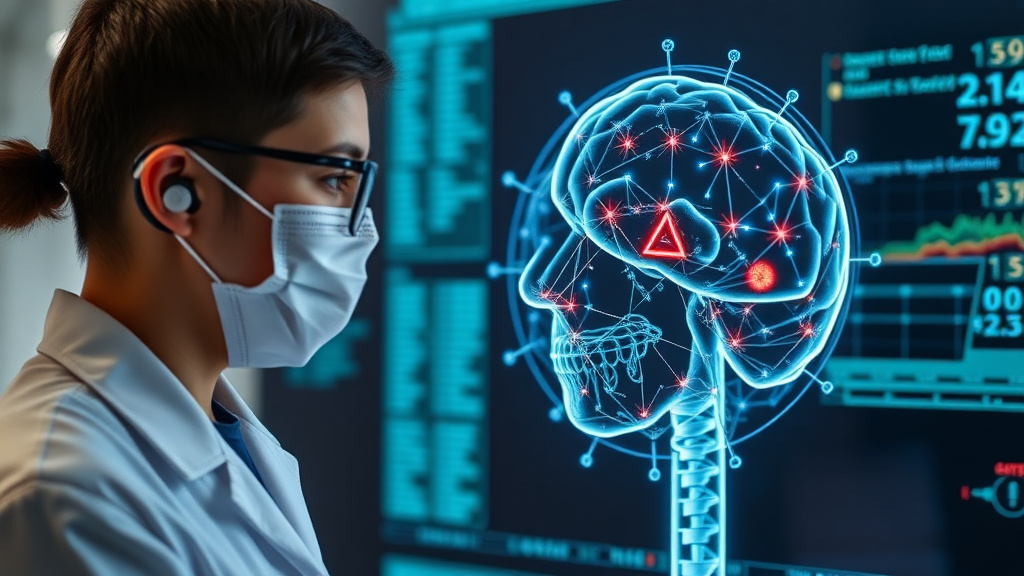
Artificial intelligence is revolutionizing healthcare diagnostics, allowing physicians to detect diseases with remarkable accuracy and speed. Machine learning algorithms now process medical imaging, pathology reports, and patient data to recognize conditions like cancer, heart disease, and diabetes at earlier stages. This technological breakthrough promises to minimize diagnostic errors, expedite treatment decisions, and ultimately protect countless lives. Discover how AI-powered tools are revolutionizing clinical practice and transforming patient outcomes across the globe.
Artificial Intelligence Revolutionizes Diagnostic Accuracy
Machine learning algorithms have fundamentally changed diagnostic accuracy by analyzing extensive quantities of medical data with impressive accuracy. These smart platforms recognize subtle patterns invisible to the human eye, facilitating earlier disease detection and increasingly dependable clinical assessments. By drawing on previous medical information and imaging records, machine learning models continuously improve their prediction accuracy, reaching diagnostic accuracy rates that regularly outperform traditional methods. Healthcare institutions across the world are adopting these technologies to optimize patient outcomes and expedite clinical workflows.
The incorporation of machine learning into diagnostic protocols has markedly lowered incorrect positive and negative results, critical factors in quality of patient care. These algorithms supply doctors with analytical findings that enhance diagnostic confidence and clinical decision support. Practical applications in clinical settings demonstrate significant advances in detection rates for serious conditions, from early-stage cancers to cardiovascular diseases. As these systems evolve and accumulate more training data, their diagnostic performance steadily advances, setting enhanced criteria for diagnostic excellence.
Advanced Neural Networks in Healthcare Imaging
Advanced neural networks have fundamentally changed medical imaging analysis by automatically extracting intricate patterns from diagnostic imagery with exceptional detail. Advanced AI systems excel at analyzing various imaging modalities including X-rays and CT scans, detecting abnormalities that might escape human observation. These models handle diagnostic information far more rapidly than traditional analysis methods, enabling rapid diagnosis in time-sensitive scenarios. Healthcare institutions deploying advanced neural network systems report substantial improvements in detection performance and turnaround time across different diagnostic imaging methods.
Advanced deep learning frameworks now support radiologists in identifying tumors, fractures, infections, and degenerative conditions with reliable reliability. These systems are trained on extensive annotated data, continuously improving their ability to differentiate normal and pathological findings. Integration with existing hospital imaging infrastructure allows effortless process enhancement without disrupting established clinical processes. The integration of human expertise and machine intelligence creates a powerful diagnostic partnership that optimizes patient safety and therapeutic outcomes.
Natural Language Processing for Clinical Documentation
NLP technology extracts important clinical data from unorganized medical documentation, laboratory reports, and medical histories that were formerly challenging to examine in a structured way. NLP algorithms interpret physician narratives, identifying important clinical observations, clinical presentations, and pertinent medical background with high precision. This functionality enables healthcare systems to aggregate clinical insights across patient groups, facilitating epidemiological research and detecting disease trends. Automated clinical documentation analysis speeds up diagnosis formulation and guarantees essential data gets to appropriate healthcare providers promptly.
NLP-powered systems strengthen clinical decision support by synthesizing information from diverse medical documents into practical diagnostic intelligence. These tools reduce administrative workload on healthcare professionals while improving information access and reliability. By systematically identifying relevant prior results and comparative information, NLP systems assist clinicians reach better diagnostic determinations. The ongoing learning abilities of these systems mean they develop greater capability at interpreting medical language and clinical settings.
Rollout Issues and Resolutions
Information Quality and Integration Issues
Healthcare organizations face major obstacles in adopting AI diagnostic systems, chiefly involving quality of data and interoperability. Medical records across different institutions often are stored in incompatible formats, making it difficult to compile extensive data collections for AI model training. Additionally, incomplete or inconsistent patient data impairs algorithm accuracy. Healthcare providers are tackling these issues by creating uniform data standards, funding electronic health record modernization, and building protected information exchange systems that protect patient information while supporting joint AI initiatives across institutions.
Regulatory Standards and Clinical Validation
Managing regulatory standards introduces another substantial challenge for artificial intelligence deployment in clinical diagnostics. Regulatory bodies worldwide demand thorough clinical testing, transparent algorithmic processes, and verified proof of safety and efficacy before approval. Organizations need to perform large-scale trials proving that AI systems perform reliably across varied patient groups. Strategies involve establishing clear regulatory pathways, adopting transparent AI tools that medical professionals can grasp and have confidence in, and keeping detailed audit records. Cooperation among AI developers, healthcare organizations, and regulatory agencies accelerates approval processes while maintaining patient safety stays the top priority.
Staff Adaptation and Incorporation
Successfully deploying AI diagnostic tools demands major shifts in clinical workflows and workforce training. Healthcare professionals require extensive instruction on interpreting AI-generated recommendations and understanding algorithmic limitations. Resistance to change and fears of workforce reduction can slow adoption rates. Organizations are deploying strategies through specialized training efforts, establishing digital competency programs for medical staff, and presenting AI as a complementary tool that enhances rather than replaces human expertise. Engaging medical professionals in system design guarantees real-world application, strengthens buy-in, and encourages collaborative human-AI diagnostic partnerships.
Future Outlook and Clinical Integration
The incorporation of artificial intelligence into clinical workflows constitutes a significant change in medical care provision. As machine learning algorithms advance, healthcare organizations are increasingly adopting AI-driven diagnostic solutions to enhance decision-making processes. Future developments will focus on creating seamless integration between intelligent platforms and current EHR systems, enabling physicians to obtain clinical insights with ease. This alignment is poised to optimize operational processes, decrease administrative workload, and permit medical staff to allocate increased focus to patient care and complex clinical reasoning.
Looking ahead, the healthcare industry foresees broad implementation of AI diagnostics across various clinical disciplines and international medical infrastructure. Next-generation solutions such as federated learning and distributed processing will permit healthcare providers to leverage AI capabilities while protecting patient data and security. Investment in AI infrastructure and clinical training programs will advance this shift. As compliance standards mature and research emerges regarding AI effectiveness, healthcare organizations across the globe will steadily integrate these technologies as routine clinical instruments, substantially transforming how diseases are identified and managed.
Tailored Healthcare Through Machine Learning Insights
Artificial intelligence facilitates the creation of personalized medicine methods by analyzing patient-specific genetics, lifestyle factors, and medical histories. Machine learning models can detect individualized risk patterns and forecast optimal treatment responses through thorough analysis of available data. This targeted strategy permits physicians to customize treatments to each patient’s unique characteristics, boosting treatment efficacy and reducing unwanted reactions. Personalized AI diagnostics constitute a fundamental change from standardized treatment approaches toward customized health approaches that improve clinical benefits.
The combination of genomics and artificial intelligence creates unprecedented opportunities for preventive medicine. AI systems can detect hereditary risks to multiple conditions, enabling prompt treatment and lifestyle adjustments before symptoms develop. Forecasting tools help medical professionals foresee disease progression and adjust therapeutic approaches in advance. As AI technologies evolve, personalized medicine will become increasingly obtainable, making widely available specialized treatment across different patient groups. This evolution is poised to transform patient outcomes and establish higher benchmarks for disease prevention and treatment.
Regulatory Framework and Ethical Considerations
The rapid advancement of AI in clinical diagnosis requires strong regulatory structures ensuring safety, efficacy, and accountability. Regulatory bodies worldwide are developing guidelines for AI system validation, clinical trials, and continuous monitoring of algorithmic performance. Transparent algorithmic development and decision processes is essential for fostering confidence with doctors and patients. Establishing clear accountability mechanisms and legal liability provisions ensures patient protection while supporting technological advancement. Standardized regulatory approaches among different regions will support worldwide adoption of AI technologies while maintaining uniform safety and quality standards.
Ethical considerations surrounding AI diagnostics require careful attention to bias, privacy, and equitable access. Machine learning algorithms trained on biased datasets may perpetuate healthcare disparities, requiring varied datasets and thorough bias evaluation. Patient privacy protection through anonymizing information and secure storage stays essential. Ensuring equitable access to AI-powered diagnostics across socioeconomic groups avoids widening healthcare inequalities. Ongoing ethical review, open dialogue with stakeholders, and collaborative policy creation will guide ethical AI adoption in healthcare, guaranteeing these transformative technologies serve all patients fairly.
