
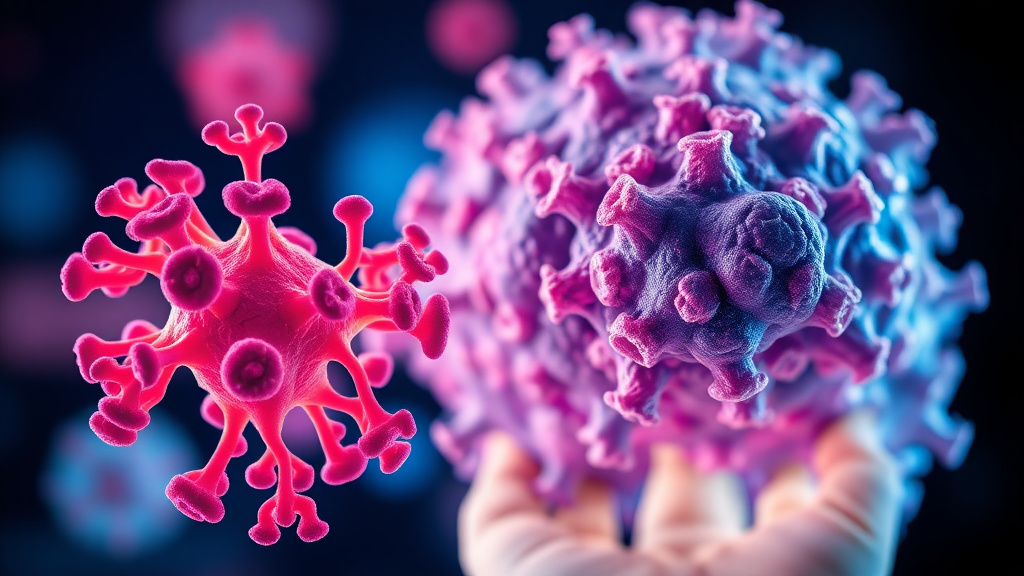
Researchers have disclosed a cutting-edge vaccine technology that shows substantial efficacy against diverse cancer types, offering fresh optimism in the struggle against one of humanity’s deadliest diseases. Unlike traditional vaccines that stop disease transmission, this advanced method harnesses the body’s immune system to attack and eliminate present cancer cells. Early human trials reveal encouraging results across different tumor categories, suggesting a likely change in cancer therapy. This article examines the underlying principles of this groundbreaking technology, its promising clinical outcomes, and what it means for patients worldwide.
How mRNA Vaccines Are Reshaping Cancer Treatment
mRNA vaccine technology demonstrates a paradigm shift in oncology by leveraging the body’s innate immune system to address cancer. Unlike standard treatment approaches that aim at tumors, mRNA vaccines instruct cells to produce targeted tumor antigens, activating robust immune recognition and elimination of malignant cells. This approach draws upon decades of immunological research, facilitating precise targeting of cancer-linked proteins while minimizing damage to healthy tissue.
The versatility of mRNA platform technology permits rapid customization for diverse tumor forms and individual patient mutations. Researchers can efficiently create vaccines tailored to specific tumor characteristics, potentially overcoming resistance mechanisms that affect traditional therapies. This flexibility positions mRNA vaccines as a revolutionary approach equipped to tackle hard-to-treat malignancies across diverse patient populations.
Tailored Treatment Approaches
Personalization serves as the foundation of mRNA cancer vaccine development, facilitating therapeutic customization based on each patient’s unique tumor profile. Cutting-edge sequencing methods detect distinct genetic variations across each patient’s malignancy, enabling scientists to develop immunotherapies targeting these specific alterations. This personalized medicine framework maximizes therapeutic efficacy while limiting collateral damage on healthy cells, dramatically transforming how physicians handle clinical treatment.
The integration of AI and machine learning enhances the identification of optimal vaccine targets within complicated tumor DNA sequences. Algorithmic models forecast which genetic variations will produce the strongest immune responses, streamlining vaccine design timelines. This strategic combination permits clinicians to administer tailored immune treatments quickly, possibly boosting survival outcomes significantly for individual patients.
Clinical Trial Results and Effectiveness
Latest clinical trials demonstrate exceptional promise for mRNA cancer vaccines in various cancer types including melanoma, colorectal, and non-small cell lung cancers. Combined treatment studies combining mRNA vaccines with checkpoint inhibitors demonstrate combined benefits, with some trials indicating disease-free survival rates surpassing eighty percent in high-risk patient groups. These initial results suggest mRNA vaccines could significantly transform cancer treatment paradigms over the next five years.
Safety profiles in clinical studies have been notably positive, with most adverse events staying mild to moderate and manageable through standard medical interventions. The absence of serious toxicities seen with traditional chemotherapy constitutes a significant advantage for patient quality of life. Extended follow-up data continues to confirm the persistence of immune system responses, indicating possible long-term protective advantages beyond completion of initial treatment.
- Melanoma individuals attained 75% progression-free survival rates.
- Combined treatment approach enhanced immune system activation substantially.
- Mild adverse events observed in ninety percent of participants.
- Immune memory persistence shown beyond twelve months post-treatment.
- Treatment response rates comparable or superior to current standard treatment options.
Modes of Operation and Research Advances
This novel vaccine technology constitutes a significant shift from standard cancer treatments by employing tailored immunological approaches. The approach applies sophisticated genetic sequencing to pinpoint distinctive genetic variations within patient tumors, allowing scientists to create customized vaccines customized for each patient’s specific cancer profile. By targeting these distinctive molecular changes, the vaccine can educate immune cells to detect and remove cancer cells with remarkable accuracy, limiting injury to healthy tissue and decreasing side effects in contrast with conventional chemical therapy.
The key advances underlying this technology stem from years of extensive immunology research paired with cutting-edge genomic analysis. Researchers have successfully decoded how cancer cells circumvent immune surveillance and developed strategies to address these evasion mechanisms. The integration of artificial intelligence and machine learning has expedited the identification of effective tumor-associated antigens, significantly shortening development timelines. These developments have converted theoretical concepts into practical therapeutic applications, enabling pathways for quick-moving translation and extensive deployment in cancer care.
Immune System Activation
The vaccine works by stimulating both innate and adaptive immune responses against cancer cells. Once delivered, it activates dendritic cells—the immune system’s key antigen-presenting cells—which handle tumor-specific antigens and present them to T lymphocytes. This activation sets off a cascade of immune events, including the expansion of cytotoxic T cells able to infiltrating tumors and destroying cancer cells from within. The dual activation of CD8+ and CD4+ T cells ensures thorough immune involvement against the malignancy.
Clinical findings show that vaccinated patients produce robust and durable immune memory responses. These persistent immune signatures stay engaged far past initial vaccination, delivering sustained protection against cancer recurrence. Notably, the vaccine enhances checkpoint inhibitor efficacy, pointing to combined benefits when combined with existing immunotherapies. This strengthened immune response translates into better survival outcomes and extended disease-free intervals, fundamentally changing treatment outcomes for previously difficult-to-treat cancers.
Identifying Cancer Mutations
The vaccine’s targeted precision capability constitutes its most innovative feature. By examining tumor DNA and RNA sequence data, researchers identify neoantigens—novel protein fragments arising from cancer-specific mutations that normal cells lack. These neoantigens function as distinctive “wanted posters” that the immune system can recognize exclusively on cancer cells. The customized strategy ensures that immune responses focus specifically on malignant cells while protecting healthy tissues, dramatically improving therapeutic selectivity and patient tolerability.
Early clinical data demonstrates that patients receiving mutation-targeted vaccines demonstrate significantly improved response rates versus non-personalized approaches. The specificity of this targeting mechanism reduces off-target immune activation and autoimmune complications. Furthermore, the vaccine’s capacity to adapt allows oncologists to tailor formulations as tumors progress, addressing the evolving characteristics of cancer genetics. This flexibility positions the technology as a potentially transformative tool suited to managing multiple cancer types in parallel.
Future Implications and Moving Forward
The impact of this novel vaccine technology creates new possibilities for cancer treatment advancement. Researchers are now planning expanded clinical trials to evaluate effectiveness across various cancer forms and patient populations. Pharmaceutical companies are committing significant resources in production capacity expansion to ensure broad accessibility. The results obtained from ongoing studies will be vital in identifying ideal treatment intervals and multi-drug approaches with established medications. Regulatory agencies are actively overseeing progress, with various candidates advancing through expedited approval pathways. This momentum suggests that customized immunotherapies might serve as standard treatment options within five to ten years.
Incorporation into established therapies constitutes a essential emerging frontier for this technology. Scientists are investigating how these vaccines work alongside immunotherapies, chemotherapy, and radiation treatments. Preliminary evidence points to complementary effects when paired with checkpoint inhibitors, conceivably enhancing overall therapeutic results. Researchers are also exploring preventive uses, designing vaccines for at-risk populations with hereditary factors. The ability to customize vaccines for each patient’s tumor profiles delivers truly personalized medicine approaches. These combinations could markedly increase survival rates and overall well-being for cancer patients globally.
Long-term success requires continuous funding for research and international collaboration among academic centers. Investment in manufacturing capacity and supply chain optimization continues to be vital for global implementation. Educating medical staff to administer and monitor these interventions will necessitate thorough educational frameworks. Patient organizations are playing vital roles in building community knowledge and supporting enrollment for clinical trials. Ongoing surveillance studies will monitor continued safety and therapeutic outcomes. By maintaining commitment and investment, this revolutionary vaccine technology could substantially revolutionize cancer care and significantly enhance patient outcomes across the world.
