
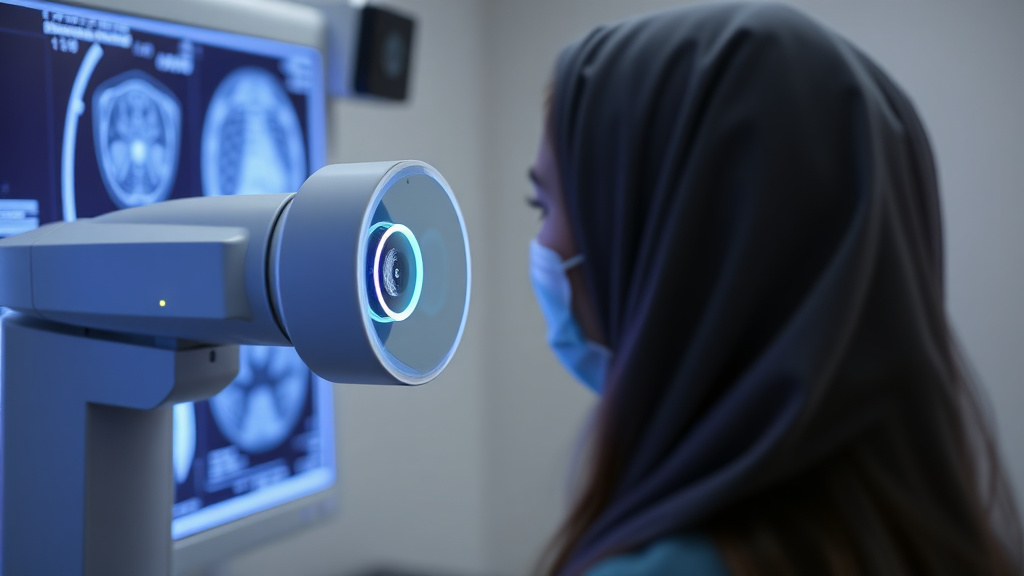
Detecting cancer early improves survival rates. Modern cancer screening techniques are transforming how we detect tumors, identifying them at points when treatment is highly effective. From blood tests that find cancer cells in blood to machine learning imaging that detects microscopic abnormalities, these innovative systems are transforming patient prognosis. This article examines the most recent screening advances, explains their mechanisms, and describes how detecting cancer earlier than ever before is elevating survival rates and offering patients hope.
Cutting-edge Diagnostic Imaging Systems in Cancer Detection
Modern imaging technologies have fundamentally changed cancer detection by enabling physicians to detect tumors at their earliest point of development. Advanced techniques such as digital mammography, 3D tomosynthesis, and detailed ultrasound technology provide unprecedented clarity of internal structures. These developments allow radiologists to detect minor irregularities that conventional techniques might miss, substantially enhancing diagnostic accuracy. The synergy between improved image resolution and sophisticated analysis tools has substantially decreased false positives and negatives, resulting in better screening accuracy and improved clinical decision-making.
The integration of these diagnostic imaging technologies into thorough screening frameworks has transformed cancer diagnosis across various organ systems. Positron emission tomography (PET) scans, magnetic resonance imaging (MRI), and computed tomography (CT) now operate in conjunction to deliver three-dimensional visualization of tumors. These technologies enable physicians to evaluate tumor dimensions, position, and features with remarkable precision. Prompt discovery through advanced imaging allows for therapeutic action when treatment options are most successful, ultimately improving survival rates and overall health outcomes for cancer patients worldwide.
Artificial Intelligence-Driven Diagnostic Systems
Artificial intelligence has emerged as a game-changing technology in cancer screening, boosting the quality and performance of medical image interpretation. Machine learning algorithms built from millions of clinical scans can now recognize suspicious patterns and potential malignancies with performance equal to or better than that of experienced radiologists. AI systems analyze scans quickly, identifying sections demanding closer examination and prioritizing cases for urgent doctor assessment. This innovation speeds up diagnosis, minimizes human error, and allows medical professionals to direct their knowledge toward intricate scenarios needing professional evaluation and personalized treatment planning.
The implementation of AI-powered diagnostic tools within healthcare institutions has produced significant improvements in cancer detection rates. These advanced platforms progressively improve from emerging cases, becoming steadily more reliable and suited for varied patient groups and imaging protocols. AI algorithms can recognize cancers in early stages that may escape notice during standard screening, notably in difficult cases featuring dense tissue or unusual presentations. By enhancing radiologist abilities rather than taking their place, artificial intelligence creates a cooperative structure that enhances accuracy of diagnosis while upholding the essential human element of clinical practice.
- AI systems recognize breast cancer with 94% accuracy
- Machine learning locates lung nodules in CT scans with high accuracy
- Algorithms decrease radiologist workload by 30% daily
- Neural networks enhance colorectal polyp detection substantially
- AI forecasts prostate cancer progression with precision
Liquid Biopsy and Genetic Testing Developments
Liquid biopsy represents a paradigm shift in cancer detection, offering a non-invasive method to identify malignant cells through basic blood work. This advanced technique examines tumor DNA in circulation, proteins, and exosomes in the bloodstream, allowing physicians to detect cancers before symptoms manifest. The technology demonstrates remarkable sensitivity, detecting cancer markers at concentrations as low as one cancer cell among millions of healthy cells, transforming early cancer identification.
Molecular testing improvements have dramatically improved diagnostic accuracy and treatment results across various malignancies. These sophisticated techniques detect distinct genetic variants and biomarkers associated with multiple tumor types, allowing cancer specialists to adapt treatment plans to individual patient profiles. By using several testing approaches, clinicians can now identify tumors months earlier conventional testing methods, providing essential opportunities for treatment when treatment success is highest.
Circulating Detection Approaches
Blood-based biomarker detection leverages cutting-edge laboratory technology to recognize tumor-related molecules circulating in patient bloodstreams. These biomarkers include circulating tumor DNA, proteins like PSA and CEA, and extracellular vesicles carrying tumor-derived content. The precision of these detection methods enables clinicians to monitor disease progression, assess treatment response, and detect recurrence potential with unprecedented accuracy, reshaping how cancer is managed.
Modern biomarker panels evaluate at the same time various malignancy signals, significantly enhancing detection sensitivity and specificity. This thorough methodology decreases incorrect positive findings while enhancing accurate positive identification among varied patient groups. Incorporation of AI-powered systems additionally enhances biomarker assessment, facilitating individualized risk categorization and therapeutic suggestions according to personal molecular characteristics and hereditary factors.
- Circulating tumor DNA fragments reveal genetic mutations in blood samples
- Protein biomarkers recognize tumor-specific antigens and cancer-related molecules
- Extracellular vesicles transport tumor information for thorough assessment
- Multi-marker testing concurrently evaluates for various cancer forms and markers
- AI algorithms enhance biomarker analysis and clinical decision support
Clinical Impact and Future Perspectives
Optimizing Patient Results
The clinical importance of advanced cancer screening methods is already apparent in patient survival rates and quality of life improvements. Early detection through these cutting-edge methods enables physicians to implement less invasive treatment protocols, minimizing side effects and improving long-term outcomes. Healthcare systems worldwide are witnessing decreased cancer mortality rates as screening programs expand, particularly in developed nations. The economic benefits are substantial, as treating early-stage cancers costs considerably less than managing advanced disease. Moreover, patients detected by advanced screening report higher treatment compliance and psychological well-being, knowing their cancers were identified at optimal intervention points.
Next-Generation Innovations and Scaling
The future of cancer screening promises even more significant breakthroughs as AI and machine learning technologies keep progressing. Researchers are developing personalized screening protocols based on personal genetic data and risk characteristics, maximizing detection efficiency while reducing unneeded tests. Integration of multiple screening modalities—combining liquid biopsies, imaging, and biomarker analysis—will create thorough diagnostic frameworks. Accessibility remains crucial; expanding these technologies to underserved communities worldwide will make early detection more widely available. Investment in research infrastructure and healthcare training will speed up advancement, potentially enabling real-time cancer detection prior to symptom development, fundamentally transforming cancer from a fatal condition into a treatable disease.
